Most morning meltdowns aren't really about mornings. They're about decisions nobody made the night before — which shirt, where the shoes went, whether there's a permission slip due today. By the time everyone's awake, you're not managing a morning, you're doing triage on ten small unresolved problems at once. I've seen this trip up otherwise organized households for years: the calendar's synced, the meal plan's on the fridge, and mornings are still a disaster because nothing was actually prepped the night before.
The fix isn't a bigger system. It's ten minutes, same time every night, doing the same short list of things. Not motivation-dependent, not mood-dependent — just a routine boring enough to survive a bad day.
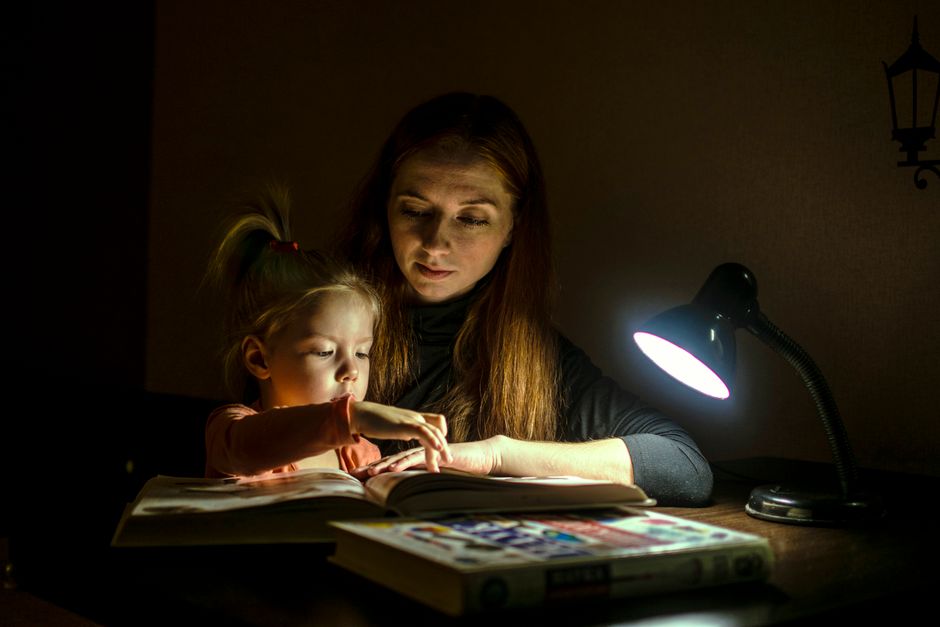
Photo by Сергей Нестеров on Pexels
Why mornings are the wrong time to solve morning problems
Here's the thing nobody tells you: your brain (and your kid's) is worse at decisions in the morning, not better. Everyone's groggy, there's a clock running, and cortisol is already climbing if you're running late. That's the worst possible moment to be searching for a missing shoe or negotiating what's for breakfast.
Evenings are different. You're not rushing to be anywhere. Kids are winding down, not winding up. A decision that takes three minutes at 8 p.m. — "which shirt do you want tomorrow" — takes twelve minutes and a small war at 7:15 a.m. Same decision, wildly different cost, purely because of when it happens.
That's really the whole insight behind this routine: move every decision you possibly can out of the morning window, because the morning window has no slack in it.
The actual 10-minute list
This isn't a Pinterest-board routine with laminated charts. It's short on purpose, because a routine you won't keep up is worse than no routine at all.
- Clothes chosen and set out (2 minutes) — not picked by you necessarily, picked *by tomorrow*. Let the kid choose, within limits, so it's not a fight either time.
- Bags packed and by the door (3 minutes) — backpack, lunch bag, gym clothes, whatever the day needs. Check for permission slips or forms while you're at it.
- Breakfast decided, not made (1 minute) — you don't need to prep it, just decide it. "Cereal or eggs" takes two seconds tonight and saves a debate tomorrow.
- Shoes and coat by the door (1 minute) — genuinely the single biggest time-waster in most households. Nobody knows where shoes are because shoes don't have a home.
- Quick look at tomorrow (3 minutes) — check the calendar or the school app for anything unusual: early dismissal, a field trip, a form due. This is the step people skip, and it's the one that prevents the "wait, today's picture day?!" scramble.
That's it. Ten minutes, roughly, once everyone's used to it. The first week will take longer because nothing has a home yet — give it two weeks before you judge whether it's working.
Where to actually do this
Doesn't matter — kitchen table, hallway, wherever bags already tend to land. What matters is it's the *same* spot every night, because a routine that moves location is a routine you have to remember to start, and remembering to start it is exactly the kind of decision-fatigue this is supposed to eliminate.
A worked example: the Tuesday that used to be a disaster
Say your mornings look like this: two kids, one bus at 7:50, you leaving for work by 8:10. Tuesday used to go: kid can't find their shoes, the other kid decides at the table that they hate the shirt you picked, and you discover the field trip form was due yesterday. You're now leaving at 8:22, everyone's frustrated, and you get to work already worn out before 9 a.m.
Same Tuesday, with the routine done Monday night: shoes are by the door because they're always by the door now. The shirt was chosen and agreed to the night before, when there was room to negotiate. And you saw the field trip note during your three-minute calendar check, so it got signed Monday, not panicked over Tuesday.
Nothing about the morning got easier in the sense of less to do. What changed is that all the decision-making moved to a slower part of the day. The morning became execution instead of problem-solving, and execution is fast.
What this doesn't fix — and where I'd push back on the usual advice

Photo by cottonbro studio on Pexels
I'll say the unpopular part: most advice on this topic oversells how much a routine can do. If your kid is a genuinely slow waker, or mornings involve a toddler who resists every transition on principle, ten minutes of prep the night before will help, but it won't make mornings calm. It reduces friction points, it doesn't remove a strong-willed three-year-old from the equation.
I'd also push back on the common advice to "wake up earlier" as the default fix for chaotic mornings. For a lot of busy parents, that just moves the exhaustion around — you're trading morning stress for less sleep, which usually makes you more reactive, not less. Night-before prep gets you most of the benefit without the sleep debt. If you're still drowning after two weeks of consistent prep, the actual problem is probably the schedule itself (too much crammed into one window), not a lack of prep.
Don't over-build it
There's a temptation to turn this into a whole system — labeled bins, laminated checklists, a chart with stickers. Sometimes that helps, especially for younger kids who like the visual. But the routine's power is that it's small enough to survive on autopilot during a bad week. If it needs supplies, a printer, and setup time, it's already more fragile than the problem it's solving.
FAQ
What if my kids fight me on this every night?
Expect some resistance the first week — that's normal, it's a new habit. Keep it short and give real choices where you can ("blue shirt or the striped one," not "wear whatever I say"). Kids push back more against being told what to do than against having a routine; the routine itself usually stops being a fight once it's just "the thing we do after dinner."
What if something still goes wrong in the morning even with this?
It will, sometimes — that's normal, not a sign the routine failed. The goal isn't a perfect morning every day, it's fewer decision points to trip over. One missing item is a lot easier to handle than five.
Can this work for older kids and teens too, or is it just for little kids?
It works for older kids, though the routine shifts — less about clothes and shoes, more about phone charging, gym bags, and checking their own school portal for anything due. The core idea stays the same: decisions happen the night before, not under a deadline.
The takeaway
You don't need a better app, a color-coded chart, or a 5 a.m. wake-up to fix chaotic mornings. You need ten minutes the night before, done consistently enough that it stops requiring willpower. Give it two weeks before deciding whether it works — the first few nights are always the clunky ones. After that, mornings stop being a series of small emergencies and start being just... mornings.
Comments
Post a Comment