플롭 (PLOP!) 추천인 코드 JWG7KDNQ 입력하면 2,000코인

공정위 고지

플롭(PLOP!)은 포켓몬 카드팩과 이치방쿠지를 앱에서 뽑고 실물로 배송받는 컬렉팅 앱입니다. 가입할 때 추천인 코드 JWG7KDNQ를 넣으면 2,000코인을 받아요. 다만 코드는 가입 순간에만 넣을 수 있어서, 입력 위치와 순서를 먼저 알아두는 게 중요합니다.

👉 플롭 (PLOP!) 가입하고 혜택 받기

추천인 코드 : JWG7KDNQ

어떤 앱인가요

플롭 (PLOP!) 아이콘

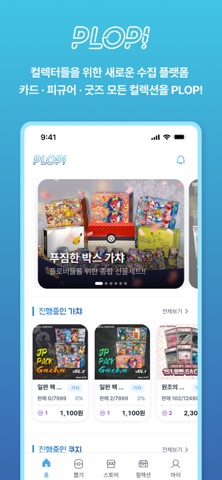
드롭스튜디오가 2026년 4월 내놓은 디지털 팩 오픈·컬렉팅 앱이에요. 카테고리는 랜덤박스·뽑기입니다. 앱에서 코인으로 포켓몬 TCG 팩이나 이치방쿠지를 뽑으면 결과가 바로 확인되고, 뽑은 아이템은 보관함에 모아뒀다가 배송 신청을 하면 실물을 집에서 받는 구조입니다.

가격대는 이렇습니다.

  • 코인 가챠: 330원부터
  • 이치방쿠지: 14,000~15,000원대
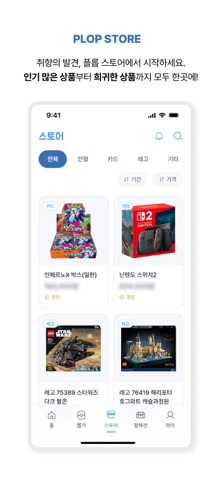
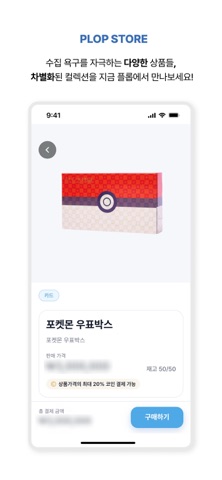
  • 스토어: 포켓몬 팩을 5,000~14,000원에 낱개로 구매 가능
플롭 (PLOP!) 스크린샷 1 플롭 (PLOP!) 스크린샷 2 플롭 (PLOP!) 스크린샷 3

코드 넣는 법

핵심은 가입 화면에서, 가입을 끝내기 전에 코드를 넣는 것입니다. 순서대로 따라가면 됩니다.

1. 앱 설치: 앱스토어 또는 플레이스토어에서 '플롭' 또는 'PLOP!'을 검색해 설치합니다. 2. 가입 화면에서 코드 입력: 추천인 코드 입력 칸에 `JWG7KDNQ`를 넣습니다. 2,000코인은 이때만 받을 수 있어요. 3. 라인업 확인: 가입이 끝나면 홈 또는 뽑기 탭에서 진행 중인 가챠·쿠지 라인업을 봅니다. 4. 첫 뽑기: 받은 2,000코인으로 330원짜리 코인 가챠부터 돌려봅니다. 5. 보관함 확인: 뽑은 아이템은 컬렉션 보관함에서 확인할 수 있습니다. 6. 배송 신청: 실물로 받고 싶은 아이템만 배송을 신청합니다. 배송 조건은 앱 내 가이드에서 확인하세요.

앱 소개와 다른 정보는 플롭 (PLOP!) 자세히 보기에서 더 볼 수 있고, 비슷한 카드 뽑기 앱들과의 차이가 궁금하다면 포켓몬 카드 뽑기 앱 비교 — 카도·리팩·플롭·티프 뭐가 다른지 (2026) — 공략글 읽기도 참고해 보세요.

흔히 하는 실수

  • 가입 후에 코드를 찾는다: 코드는 가입 시점에만 입력할 수 있습니다. 나중에 입력하려 해도 늦어요.
  • 입력 칸을 그냥 넘긴다: 가입 화면에서 추천인 코드 칸을 건너뛰면 2,000코인을 받을 수 없습니다.
  • 코드를 손으로 옮기다 틀린다: 영문 대문자와 숫자가 섞인 코드라 `JWG7KDNQ`를 그대로 복사해 붙여넣는 편이 안전합니다.
  • 받자마자 큰 뽑기에 쓴다: 순서상 4번, 330원짜리 코인 가챠부터 시작하는 것이 좋습니다.

혜택과 주의할 점

가입할 때 추천인 코드 JWG7KDNQ를 입력하면 2,000코인을 받습니다. 코인 가챠가 330원부터라 2,000코인으로 첫 뽑기를 무료로 여러 번 돌려볼 수 있어요.

주의할 점도 있습니다.

  • 2,000코인은 330원짜리 저가 가챠에 먼저 써보고 앱이 맞는지 판단하는 용도로 쓰는 게 좋습니다.
  • 가챠마다 '개봉 현황' 퍼센트가 표시되니, 남은 물량과 진행률을 보고 고르면 됩니다.
  • 확률형 상품이라 돈을 넣기 시작하면 본전 생각이 나기 쉬운 구조예요. 무료 코인 범위에서만 즐기세요.
  • 원하는 카드가 확실하다면 스토어에서 팩을 직접 사는 쪽이 기댓값 계산이 명확합니다.

요약

  • 플롭은 포켓몬 카드팩·이치방쿠지를 디지털로 뽑고 실물로 배송받는 앱입니다.
  • 가입 화면에서 추천인 코드 JWG7KDNQ를 입력하면 2,000코인을 받아요.
  • 코드는 가입 시점에만 입력할 수 있으니 입력 칸을 건너뛰지 마세요.
  • 첫 뽑기는 330원짜리 코인 가챠부터, 무료 코인 범위 안에서 시작하세요.

👉 플롭 (PLOP!) 가입하고 혜택 받기

추천인 코드 : JWG7KDNQ

Comments

Popular posts from this blog

Every To-Do App Works for the First Two Weeks — Here's What Decides the Rest

Photo by RDNE Stock project on Pexels The Honeymoon Phase Is Not the Test Here's a pattern I've watched play out dozens of times, including in my own phone: someone downloads a new task manager, spends a Saturday afternoon setting it up beautifully, and for about two weeks it's genuinely great. Everything's captured. Everything's organized. Then, sometime around week three, tasks start piling up unchecked, half the projects are stale, and the app quietly turns into another icon you feel guilty about. If this sounds familiar, your instinct is probably to blame the app. Todoist wasn't flexible enough. Things was too rigid. Notion took too much setup. So you switch, rebuild everything, and get another two good weeks. I've seen people cycle through four or five systems in a year this way, and each time they walk away more convinced that the "right" tool is still out there somewhere. It usually isn't the tool. The apps that survive long-...

The 20-Minute Weekly Reset That Keeps a Productivity System From Rotting

Photo by RDNE Stock project on Pexels The system isn't broken. It's just never reviewed. Here's a pattern I've watched play out with almost every productivity app I've tried: week one, it's magic. Everything gets captured, tagged, scheduled. Week three, there are 40 tasks with no due date sitting in an "Inbox" that nobody opens anymore. Week six, you've quietly gone back to a sticky note. I've written before about how every to-do app works great for the first two weeks and then something decides whether it survives past that. What I didn't spell out then is what that "something" usually is. It's rarely the app. It's the absence of a recurring moment where you actually look at everything you've captured and decide what to do with it. That moment has a name in productivity circles: the weekly review. It sounds like homework, and most explanations of it make it sound like a 90-minute audit of your entire l...

I Let an AI Draft My Email Replies for a Month. Here's What It Got Right (and Where I Still Type It Myself)

I used to treat "AI can write your emails now" as a solved problem, the kind of feature you turn on once and never think about again. Then I actually tried leaning on it for a full month — not just the odd smart-reply suggestion, but letting an AI draft actual responses to actual people — and it turned out to be way more uneven than the demos make it look. This isn't a "these five prompts will change your life" post. It's closer to a field report. Some of what I found will save you real time. Some of it will just annoy you, and I'd rather tell you that upfront than let you find out the hard way in a reply-all thread. Photo by cottonbro studio on Pexels What I actually tested I used the AI drafting features already built into Gmail and Outlook, plus a general-purpose assistant (Claude or ChatGPT, pasted in manually) for anything longer or trickier. No separate email-AI startup, no browser extension — just tools most people already have access to. ...